
This year’s Christmas tune is currently in production.
2025:Es Ist Ein Ros’ Entsprungen / Lo, How A Rose E’er Blooming
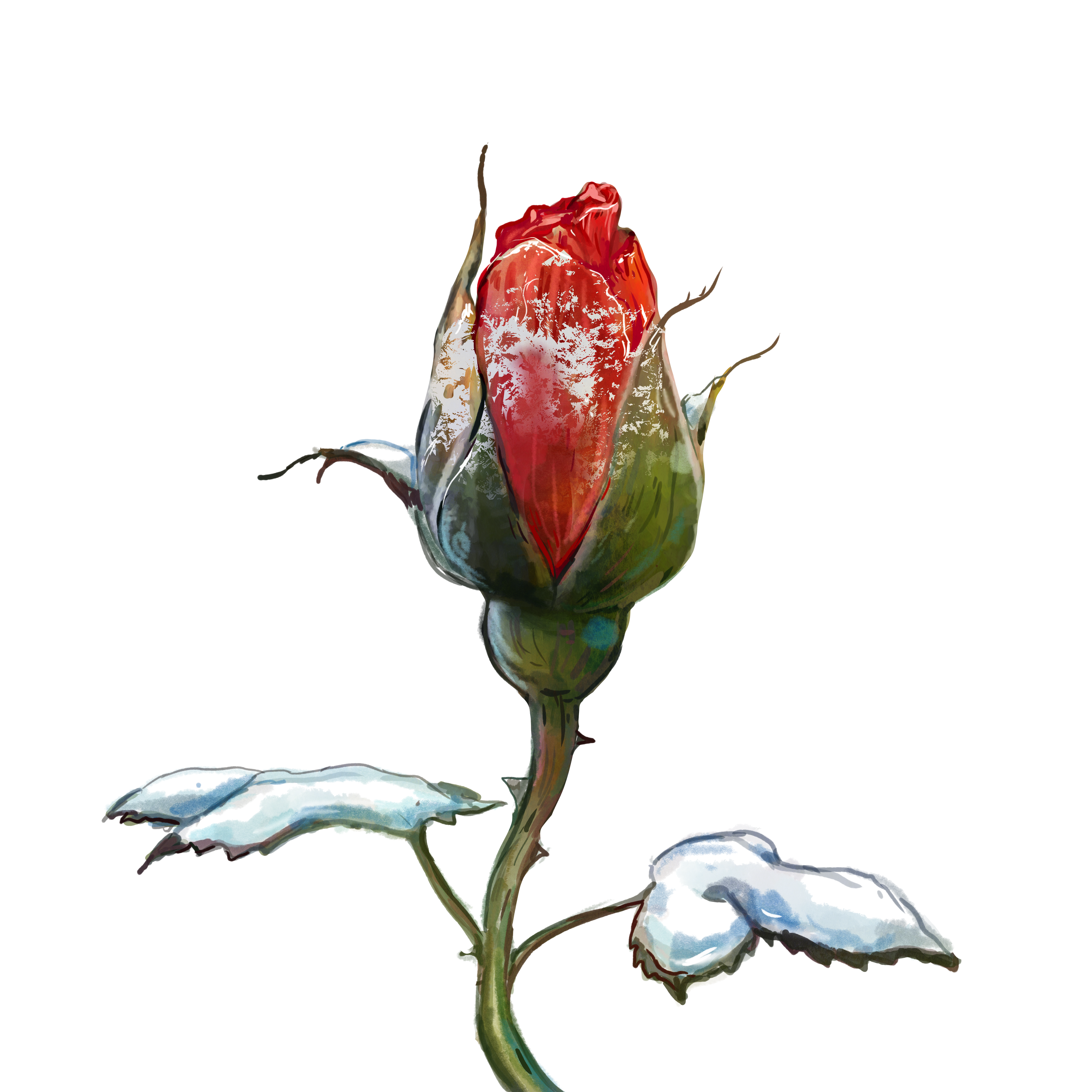
Elisabeth and I sang this.
2024:In The Bleak Midwinter

How about some vocals for a change? Originally a poem by Christina Rossetti, “In the Bleak Midwinter” was, somehow, a carol that escaped my notice for most of my life. As for those vocals, Geoff took the lead, Reed the harmony, and I sang bass. The main guitar part is also Reed; I played the interludes.
Photography by Chance Haes
Photography by Chance Haes
2023:A Bohemian Duke’s Canon
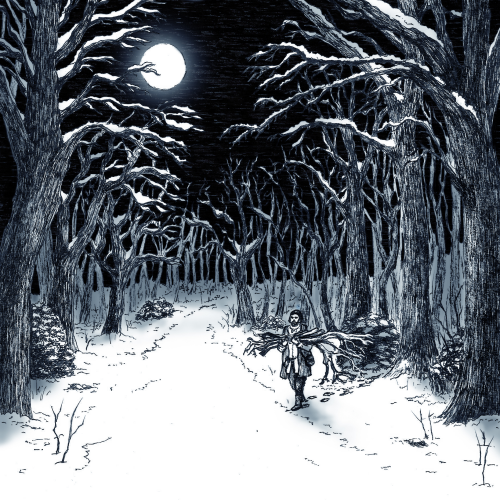
Wenceslas I was Duke of Bohemia in the tenth century. (The elevation to “king” was posthumous.) His legend for almsgiving became the subject of a poem written in parallel in the Czech, Latin, and German languages by Václav Alois Svoboda in the middle nineteenth century. The poem’s contents were translated to English by John Mason Neale, Svoboda’s contemporary. Neale’s lyrics were eventually set to a melody which was first published in the sixteenth century. Thus, “Good King Wenceslas” became a Christmas carol, or, perhaps more properly, a St. Stephen’s Day carol. Author and American academic Douglas Hofstadter, published Gödel, Escher, Bach: An Eternal Golden Braid in 1979 and won the Pulitzer Prize for nonfiction. The book explores self-reference, paradox, and strange loops, demonstrating them with art, music, logic, and mathematics. He mentions that the melody of “Good King Wenceslas” and its inversion, “starting an octave apart and staggered with a time-delay of two beats,” forms “a pleasing canon.” For the uninitiated, a canon is a kind of composition in which the melody—along with copies of itself which are delayed, flipped, transposed, played in half time, double time, or reversed—work in harmony. Hofstadter’s book gave me the idea for this piece, which has been on my mind for a couple decades.
Artwork by EmilieM
| Flutes: | Teresa |
| Trombone: | Christian |
2022:Trepak / Трепак

This piece from Tchaikovsky’s Nutcracker Suite is named after a folk dance that’s traditional in both Ukraine and Russia. A prominent feature of the dance is to kick alternating legs out from a squating position, in step to brisk music in 2/4 time. This year’s selection represents my hope for a return to peace and the kind of vitality demonstrated by the dance.
2021:Skating

In 2021, I was on schedule to complete this Vince Guaraldi classic for Christmas when Covid ran roughshod through my household. Good Grief! The tune appeared here in 2022, but in its rightful spot.
Mixed by Ale Sáenz
Artwork by @lay_black
| Bass: | Ana Pshokina |
| Drums: | Federico Gucciardo |
Artwork by @lay_black
2020:Coventry Carol
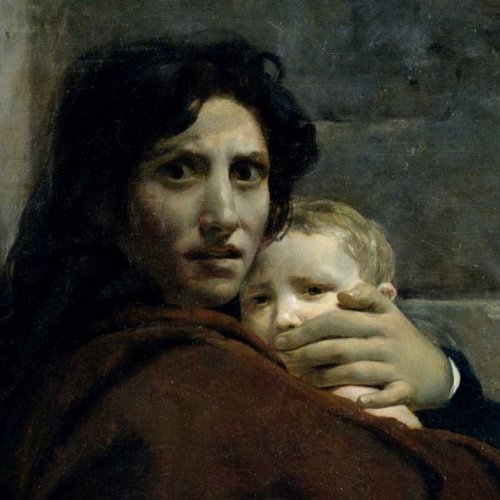
The 2020 Christmas recording is a song of grief. Elisabeth played the layered flutes.
2019:Es Wird Scho Glei Dumpa
This is a favorite carol in Austria. This year’s helpers:
| Trombone: | Christian |
| Flute: | Elisabeth |
| Tenor Sax: | Maggie |
| Drums: | Andrew |
2018:God Rest You Merry, Gentlemen
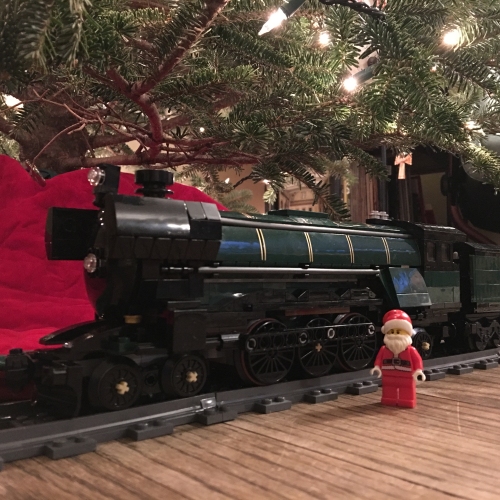
Restlessness is the only explanation I’m going to offer for the two missing years in what seemed like an annual tradition there for a while. Merry Rest is preferable to restlessness, and that’s what the titular lyric is requesting. It doesn’t really matter whether you’re a gentleman or not. I had help again this time around. Thanks go out to:
| Trombone: | Christian |
| Flute: | Elisabeth |
| Tenor Sax: | Maggie |
| Piano: | Spencer |
2015:Come, O You Shepherds / Kommet, Ihr Hirten
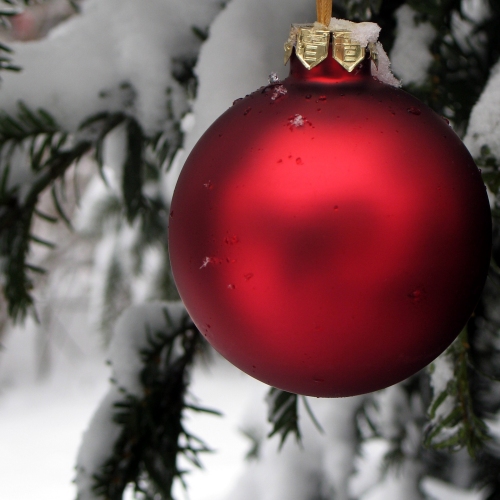
It is Christmas Eve as I write this; this year’s tune barely made it in time. Enjoy.
2014:Dance of the Sugar Plum Fairy / Танец Феи Драже

Is “Dance of the Sugar Plum Fairy” the most recognized piece of music from The Nutcracker Suite? It certainly pervades holiday advertisments! Tchaikovsky featured the celesta in this composition, a newly-invented instrument at the time. Its bell tones are imitated here with sampled electric guitar harmonics, carefully pieced together. The strings and clarinet parts are also electric guitar. A “thank you” goes out to these folks, who contributed performances:
| Flute: | Teresa |
| Horn: | Dan |
| Flute: | Elisabeth |
| Bass Clarinet: | Rebecca |
2013:Still Still Still
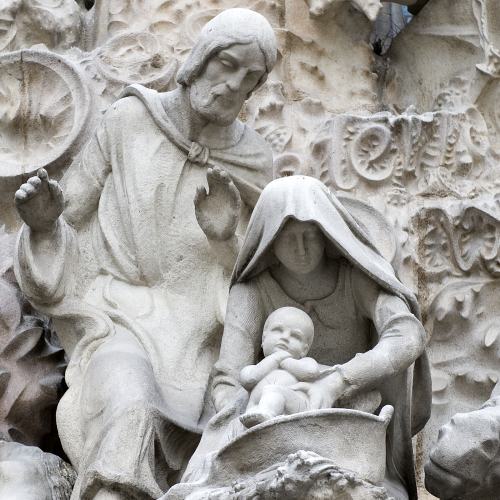
Over the summer, I was along on a wonderful road trip from Vienna to Barcelona. The choice of this year’s offering was inspired by the journey: Austria’s second most famous Christmas lullaby with a cover photo showing detail from the nativity facade of the incredible Sagrada Familia basilica.
2012:While By The Sheep / Als Ich Bei Meinen Schafen Wacht

“While By The Sheep” is a traditional carol from the 1600s. I started out unsure of what I wanted to do with it, so I arranged it twice; once for a flute trio and then for SATB choir. That made me want to record both, so that’s what I did. You hear them back-to-back, with the voice parts played by a “choir” of electric guitars. My thanks go to Teresa Newhall, who played all three flute parts. The Australian postage stamp depicts the homage of the shepherds, which is what the lyrics (had they been sung) are all about.
2011:O How Joyfully / O Du Fröhliche
The text of “O Du Fröhliche” was written by Johannes Daniel Falk nearly two hundred years ago. It’s a very popular Christmas carol in German-speaking Europe. The melody, on the other hand, is considerably older and originates with a Latin hymn about Mary, which isn’t directly related to Christmas. But I came to know it as a Christmas tune, so a Christmas tune it is.
2010:From Heaven High O Angels Come / Vom Himmel Hoch O Englein Kommt

My uncle gave me a beautiful wooden soprano recorder when I was very young. I’m embarrassed to say it’s been lying among miscellaneous music junk (slides, capos, kazoos, egg shakers, etc.) for decades, so it was long overdue to be pressed into service. Recorders generally bring to mind an image of a rowdy third grade class, overblowing their way through a cacophony of minor seconds that were supposed to coalesce into “Oh Susanna” or something like that. But the recorder repertoire is extensive and, when played by capable hands, really amazing to hear. Because I’m still barely beyond what I knew in third grade, serious recorder players have my respect. So do you, Mrs. Cox.
1994:Ukrainian Bell Carol / Щедрик
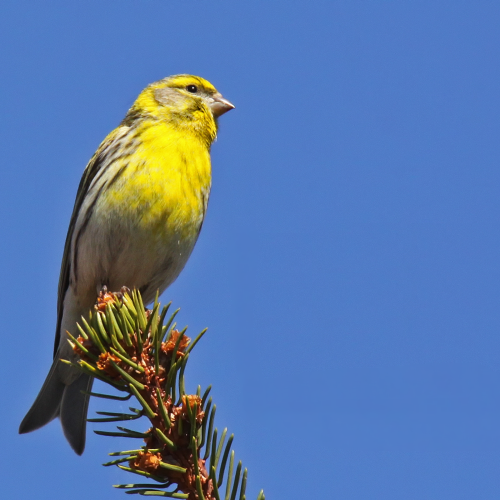
The idea for my strange arrangements of Christmas carols began quite some time ago with the notion that this tune could be played by strings and heavy metal guitars, and that that would be really cool. (This recording predates TSO’s “Christmas Eve Sarajevo 12/24” by a year; not that they got the idea from me. Just sayin’.) But back then, I had no recording gear of my own. So I borrowed a tape deck, a sampler, and a Black Friday afternoon from my friend Bill, who I also envisioned as the guitar player for this. Cassettes were made in time for Christmas distribution. Recently, I stumbled across the master tape and thought it could perhaps be restored. Through digital magic, it sounds much better now than it did then. If you’re wondering about the cover art, it may help to know that the original tune has nothing to do with bells or Christmas. All of that comes from an English-language adaptation. In Ukrainian, the lyrics tell of a bird chirping about good fortune in the coming year, and are sung over Leontovych’s infectious ostinato. The bird on the cover is a serin, which, in Ukrainian, is Shchedryk, and that’s the song’s title. The blue-sky background constrasting with the bird’s yellow plumage gives you the Ukrainian national colors. Happy listening.
Copyright © 1994 - 2026
whitevise.com
whitevise.com